
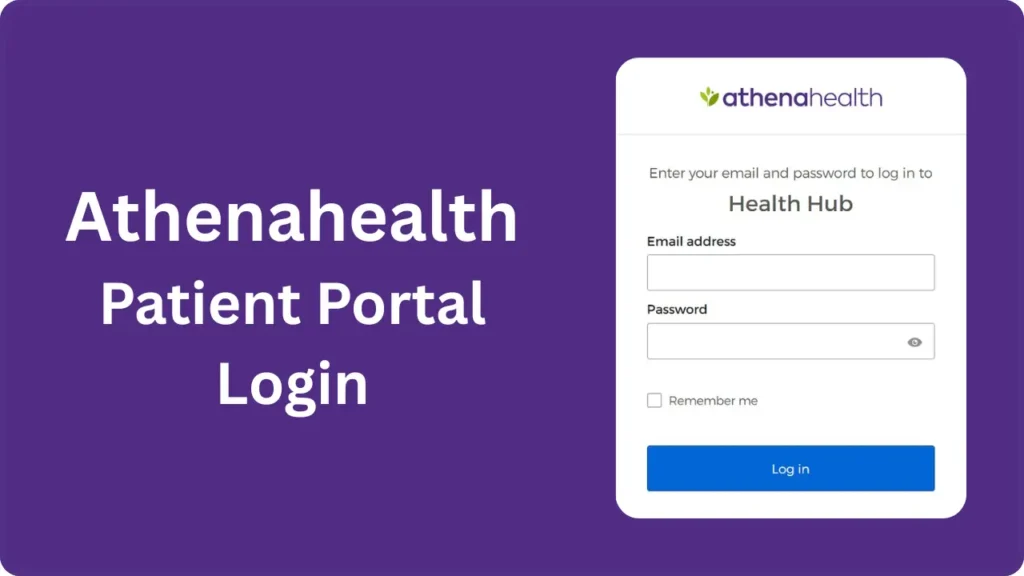
Login to Athenahealth Patient Portal to check your medical records, send your care team a message, book appointments, and even pay bills—all in one secure spot. With this portal, you can view test results, schedule visits, and stay in touch with your provider from any device, whenever you need.
You get more control over your healthcare and can handle many things yourself, without waiting on hold or making a trip for small requests. Athena Patient Portal aims to make it easier for you to stay current on your health and quickly reach your doctors and can access Athenahealth Careers.
Using these online tools, you can keep track of everything from upcoming appointments to lab results. It really does make the whole healthcare process smoother and gives you back some time for the stuff that matters.
Well-Being Knowledge Hub
- How Walking Daily Improves Mental Clarity And Boosts Overall Focus
 Walking each day does more than strengthen your body—it sharpens your mind, too. Regular movement gets your blood flowing, supports memory, and helps cut down on stress hormones that cloud your focus. Daily walking lifts your mood, helps you concentrate, and keeps your mind calm and alert. Even short walks can make a real difference….
 - Benefits Of Stretching Before Bed For Better Sleep
 Most of us end our day feeling tense or restless, which makes falling asleep a real challenge. Stretching before bed gives your body a chance to calm down and get ready for rest. Regular nighttime stretching can ease muscle tightness, reduce stress, and support better sleep quality. This gentle habit helps you unwind after hours…
 - Simple Posture Fixes for People Who Sit All Day to Improve Comfort and Reduce Pain
 If you spend most of your day sitting, you probably notice your posture getting worse and your muscles feeling tight. Poor posture from sitting too long can cause back pain and stiffness, and even mess with your overall health. Simple posture fixes can make a big difference by easing discomfort and helping you sit more…
How to Access and Register for the Athenahealth Patient Portal
You can manage appointments, pay bills, and view your medical history with the Athenahealth Patient Portal. To start, you’ll need to create an account, find your clinic’s unique portal link, and complete your first login.
Creating an Athenahealth Account
To use the portal, you’ll first need your own athenahealth account. If your provider uses athenahealth’s system, you should get an invitation by email or text with a special link to set up your profile.
Click that link, then enter your name, date of birth, and contact info. You’ll make a password and set up security questions. Some clinics will ask for a patient ID or code from their office.
If you don’t get an invite, ask the front desk or call your provider. They can send an access link or walk you through registration. One bonus: you can use the same login for multiple providers if they all use athenahealth.
Finding Your Athena Patient Portal Link
Every provider has their own portal link powered by athenahealth. This link connects you to your clinic or doctor’s portal directly. You can’t just search athenahealth for all hospitals—you need the exact link.
Usually, you’ll spot the portal link on your provider’s website, in appointment reminders, or on paperwork. Look for “Patient Portal” or “Athenahealth Portal” on their homepage. If you’re stuck, try these:
- Call your provider’s office
- Check recent messages from your clinic
- Look at any printed materials from your last visit
Once you have the right link, you can use it in a web browser or download the free athenaPatient app for iOS or Android.
Athena Patient Portal Login First-Time Instructions
After you’ve made your account and found your provider’s portal link, you’re ready for your first login. Go to the link or open the athenaPatient app and enter your username and password. If you forget, use the “Forgot Username or Password” tool to reset.
On your first login, you may need to confirm your identity. Sometimes you’ll enter a code sent to your email or phone. Some portals will ask you to accept terms or update your info.
Once you’re in, you’ll see your health dashboard. From there, you can:
- View test results and health records
- Message your provider’s office
- Request appointments or refills
- Pay medical bills
Keep your login info safe. Always log out when you’re done, especially on shared devices.
Understanding the Athena Patient Portal
Athenahealth Patient Portal Login gives you a secure way to manage your health online. You can connect with your provider, access important records, and keep tabs on appointments—all in one spot.
What Is the Athena Patient Portal?
The Athena Patient Portal is an online tool from athenahealth. It lets you see parts of your electronic medical record, like lab results, medications, and visit summaries.
You can log in from any device with internet. The portal lets you request or change appointments, send messages, and pay your bills without calling the office.
Using your account, you’ll see test results as soon as they’re available. You can also check past visits, immunizations, and any educational materials your care team shares. It’s secure, and your info stays private.
Key Benefits for Patients
The portal helps you take charge of your healthcare. Some main perks:
- Easy Access: Check your medical info, lab tests, and medications anytime.
- Appointment Management: Schedule, change, or cancel visits online.
- Direct Communication: Send secure messages to your provider or care team—no more waiting on hold.
- Bill Payment: Pay bills, see payment history, and get digital statements.
- Educational Resources: Find personalized health info and instructions from your provider.
These features help you stay organized and informed. They save time and let you handle common tasks yourself.
Role of athenahealth in Healthcare
Athenahealth builds healthcare software and services for providers. Their tools help your care team record visits, manage your data, and keep track of meds and lab results.
The patient portal is just one part of their system. With it, you and your provider can share info more easily.
Athenahealth’s system follows security standards to protect privacy. Providers using this platform can connect with you faster and offer more effective care by cutting down on delays and mistakes.
Account Management and Security
Managing your account keeps your health info safe and lets you control how you get updates. The Athenahealth Patient Portal has secure features for resetting passwords, protecting your data, and updating contact preferences.
Resetting Your Portal Password
If you forget your password, you can reset it online. Go to the login page and click “Forgot password?” Then enter your email or username.
Athenahealth will send a password reset link by email. Follow the link and instructions to make a new password. Pick something unique with letters, numbers, and symbols for better security.
If you don’t see the reset email, check your spam or junk folder. Still stuck? Contact portal support. Password resets help keep your account safe and make sure you always have access.
Account Privacy and Data Security
Athenahealth uses several security measures to keep your data private. Your portal account is protected with a password and sometimes two-factor authentication. This helps block unauthorized access and keeps your records secure.
The portal meets legal privacy standards, like HIPAA. Your personal info, medical history, and billing details are encrypted and only you and authorized staff can see them.
Athenahealth also keeps an eye out for suspicious activity. If you spot anything weird or get alerts you didn’t expect, report it right away. Use strong passwords and log out after each session to help protect your account.
Managing Contact Preferences
You can decide how you get notifications from Athenahealth. Options usually include email, text, or app alerts for test results, appointments, and billing reminders.
To change your preferences, log in and go to account or settings. Update your preferred methods and double-check your contact info. Keeping things current helps you avoid missing important updates.
Most portals let you turn notifications on or off for specific things, like appointment reminders or lab results. You can also review your notification history in the portal. Adjusting these helps you get info in the way that works best for you.
Core Features and Tools in the Athenahealth Patient Portal
The Athenahealth Patient Portal gives you easy access to your medical info, tools to reach your care team, and features to help manage your care. It works on both computers and mobile devices.
Viewing and Downloading Athena Test Results
You can check your lab results, imaging, and other test reports in the “Test Results” section. To see your latest results, log in and look for the test results tab on the left. Results show up as soon as your doctor’s office releases them.
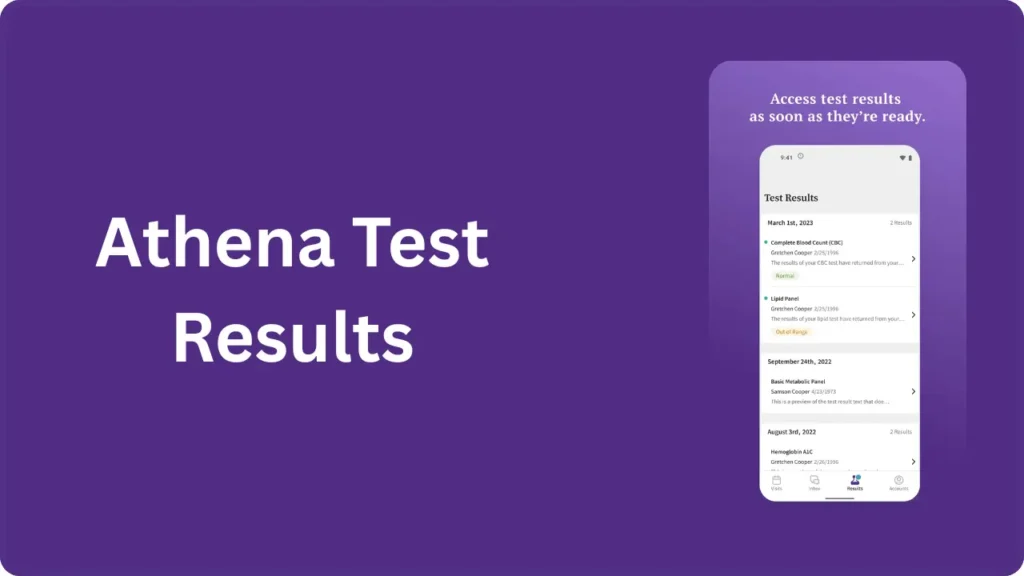
Each entry usually lists the date, type of test, result number, and a short explanation. Some portals let you compare past and current results side by side.
You can download your results as a PDF. This makes it easy to keep a record, share with another doctor, or print for your files. If something’s missing or you have questions, use the portal to message your provider.
Accessing Your Patient Chart
Your patient chart shows your health summary, such as past visits, conditions, medications, and immunizations. Click on “My Health” or “Patient Chart” after logging in. You’ll see a clear layout of current and past health info.
Key details include:
- Allergies
- Current medications
- Past and future appointments
- Diagnosis history
- Immunization records
You might be able to download or print your health summary for personal use or sharing with other doctors. The chart updates automatically when your provider adds something new.
Messaging Physicians and Healthcare Teams
The secure messaging feature lets you contact your doctor or care team safely. Use the “Messages” or “Inbox” tab to start a new conversation, reply, or ask questions.
Typical uses include:
- Requesting prescription refills
- Asking about symptoms or treatment
- Scheduling, rescheduling, or canceling appointments
- Requesting referrals or medical records
All messages are private and follow HIPAA rules. Your provider usually replies within one to three business days. The messaging system helps you keep track of all conversations and get answers without a phone call.
Managing Appointments and Notifications
The Athena Patient Portal streamlines how you handle appointments and stay updated with your provider. You can schedule, confirm, and manage visits online and get reminders to help you keep track.
Scheduling and Confirming Appointments
Booking appointments through the portal is pretty straightforward. Log in, check available time slots with your provider, and pick the one that fits your schedule. The portal shows your upcoming and past appointments, so it’s easy to manage visits.
The appointment booking process usually goes like this:
- Log in to the patient portal.
- Click “Schedule Appointment.”
- Choose your provider.
- Pick a date and time.
- Confirm your selection.
You can also reschedule or cancel appointments if plans change. Once you set or update a visit, you’ll see the changes on your dashboard. This means fewer calls to the office and less chance of missing or double-booking.
Receiving Appointment Reminders
The portal supports automated appointment reminders to help you stay on track. Reminders can come by email, text, or phone, depending on what you pick. You can manage how you get notifications in your account settings.
Reminders include the date, time, and location of your next visit. Some notifications might have extra instructions, like what to bring or if you need to arrive early for paperwork.
If you want to change how you get reminders, go to notification settings in the portal. Pick the types you want and how you get them. This helps you stay organized and lowers the odds of missing an appointment.
Online Bill Payment and Account Balances
You can view, manage, and pay your medical bills directly through the Athena Patient Portal or at payment.athenahealth.com. Clear statements and flexible payment options make it easier to keep track of your balances and stay current with payments.
How to Pay Medical Bills Online
Start by logging in to the Athena Patient Portal with your username and password. Once you’re in, head to the “Billing” or “Payments” section from the main menu.
Here, you can check your balance, look at past bills, and see when payments are due.
If you don’t have an account, your billing statement should have a QuickPay Code. Go to payment.athenahealth.com and type in this code—no login needed.
Just follow the steps to make your payment safely. It really doesn’t take long.
You can usually pay with a credit card, debit card, or sometimes an electronic check. Once you pay, you’ll get a confirmation right away.
Try to keep your billing info updated. It makes the next payment a breeze.
Understanding Your Billing Statements
Your athenahealth billing statement breaks down what you owe and why. It lists each service, the cost, and payments from you or your insurance.
Key details you’ll spot on your statement:
| Details | Description |
|---|---|
| Service Date | When you received care |
| Itemized Charges | List of treatments and costs |
| Insurance Payments | Amount paid by your insurance provider |
| Patient Responsibility | Amount you need to pay |
| QuickPay Code | Code to pay online if you do not have an account |
Reviewing your statement helps you catch mistakes or ask questions if something seems off. If you spot a charge you don’t recognize, reach out to your provider using the contact info on your bill.
Using payment.athenahealth.com
payment.athenahealth.com lets you pay your athenahealth bills online without logging in to the full portal. It’s handy if you don’t want to make an account.
Find your QuickPay Code on your statement and enter it at payment.athenahealth.com. Your account balance pops up, and you can pay with a credit or debit card.
Every payment goes through encrypted channels, so your info stays safe. Only the patient or an authorized person, like a parent or guarantor, can use this service.
Double-check the website address before you enter any payment info.
athenahealth Bill Payment Options
You actually have a few ways to pay your athenahealth bills. Options include:
- Online payment through the Patient Portal: Log in and use the billing tools.
- QuickPay Portal: Use your QuickPay Code at payment.athenahealth.com for a guest payment.
- Mobile app: Some providers let you pay bills through the athenaPatient app.
- Mail or in-person: You can also mail a check or pay by card using the payment slip from your bill.
Pick what works best for you. Electronic payments show up fast, but mailed payments can take a bit longer.
Keep your payment confirmations or receipts. It’s just good practice.
Accessing the athenaPatient App and Healthcare Apps
The athenaPatient app lets you manage your health info and connect with your care team on the go. Features like mobile check-in and secure messaging can make things feel a bit less stressful.
Downloading the athenaPatient App
Right now, the athenaPatient app is only available in the United States. Your provider needs to be part of the athenahealth network and invite you before you can use it.
Head to the Apple App Store or Google Play Store and search for “athenaPatient.” Download and install the official app.
Use the login info your provider gave you. Don’t have it? Ask your provider for help.
Requirements for download:
- You need to be a patient of a provider using athenahealth
- Only available in the US
- Requires a smartphone or compatible device
If you run into trouble, your provider’s support team can help you out.
App Features and Compatibility
With the athenaPatient app, you can see test results, schedule or check in for appointments, view your health records, and send secure messages to your care team. You can also handle billing and payments without calling the office.
Key features include:
- Reviewing health records
- Secure communication with providers
- Virtual visit access
- Online bill payment
- Appointment management
The app works on most Android and iOS devices. You’ll need internet for most features.
Not every provider offers all the same tools, so check with your office to see what’s available through the app.
Frequently Asked Questions
You can manage your account, view health records, and contact support through the athenahealth portal. Most people find it pretty straightforward, but a few questions come up a lot.