
Logging into your athenahealth provider account matters if you want to manage patient info, appointments, and other healthcare tasks online. To access your athenahealth provider login, head to the official login page and enter your username and password. This secure portal connects you to tools that help you keep up with your daily practice needs.
Using the provider login, you can view records, manage schedules, and handle important tasks from almost anywhere. This guide walks you through how to log in and offers tips for common account issues. Let’s get into the details and make your workflow a bit smoother with your athenahealth provider account.

Athenahealth Provider Login Overview
The athenahealth provider login gives you secure access to electronic health records, practice management tools, and patient info. Logging in is pretty simple and works from most modern devices and browsers.
Security features like multi-factor authentication help keep your data safe. To log in, go to the official athenahealth website and pick the provider login option.
Enter your username and password. Some organizations use a custom portal or direct link, so check with your admin if you’re not sure.
If your site uses Single Sign-On (SSO), you can log in with your organization’s existing credentials. That’s one less password to remember.
If you forget your password, use the “Forgot Your Password?” link to reset it. After you submit your credentials, you’ll land on your athenahealth dashboard.
From there, you can manage appointments, see patient records, or access admin functions. The system logs all usage for privacy and compliance.
Supported Devices and Browsers
You can log in from most desktops and mobile devices. Supported devices include Windows and Mac computers, plus iOS and Android smartphones and tablets.
Since the portal’s web-based, you don’t need to install extra software. For the best experience, use updated browsers like Chrome, Firefox, Edge, or Safari.
Old browsers might not load some features right and could be less secure. Mobile browsers work, but sometimes a desktop just feels easier for certain tasks.
Always log out when you’re done. Try not to use public or shared computers if you can help it.
Security and Authentication Features
athenahealth puts a lot of effort into security. Authentication methods include strong passwords, multi-factor authentication (MFA), and optional SSO with trusted identity providers.
The system logs every login attempt and keeps an eye out for failed logins. If something looks off, you might have to verify your identity.
Session timeouts help if you walk away from your computer. The portal uses HTTPS, so your data stays private while you’re logged in.
Only authorized staff can access the portal. Any unauthorized attempts get blocked and logged right away.
Setting Up and Managing Your Provider Account
You’ll need to set up your athenahealth provider login before using the platform. If you can’t get into your account, there are ways to reset or recover your password.
It’s possible to access multiple provider accounts with just one set of credentials. That’s handy if you’re juggling a few roles.
Creating a New Login Account
Usually, your organization or clinic admin sets up your profile first. You’ll get instructions and a welcome email with your username and a temporary password.
Once you have those, visit the official athenahealth login page and enter your details. The first time you log in, you’ll probably need to set a new password and pick security questions.
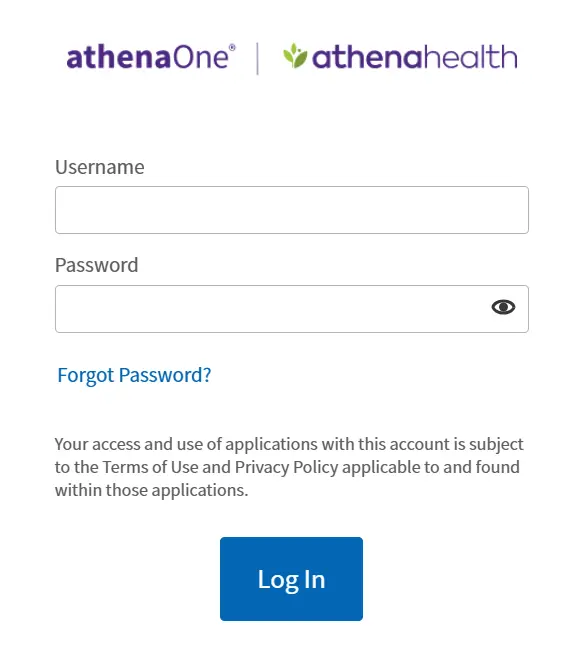
If you don’t see your login email, check your spam or junk folder. Still nothing? Ask your clinic admin for help.
If you’re an admin, work with athenahealth support to add new users and manage permissions. Keep your login info safe—don’t share your password, even with coworkers.
Resetting or Recovering Your Password
If you forget your password, click “Forgot Password” on the login page. Enter your username or registered email address.
Follow the prompts to get a reset link or verification code. Check your email, click the link, and create a new password that meets the guidelines.
If the reset email doesn’t show up, check your spam folder. Still locked out? Contact your admin or athenahealth support to verify your identity and get back in.
Keeping your contact info up to date makes recovery a lot less stressful.
Multi-Provider Access with a Single Account
If you work with more than one organization using athenahealth, you can access all your authorized accounts with one login. It’s a huge time-saver.
When you’re added to a new practice, you’ll get a notification or email. Log in as usual, and you’ll see a dashboard where you can pick which account to manage.
You can switch between accounts inside the platform. Just double-check you’re working under the right account before doing anything important.
This setup is great for providers at multiple clinics or locum tenens staff. Need to link more organizations? Ask your admin for help.
Key Features and Functionalities for Providers
Athenahealth gives providers a cloud-based platform that helps with daily stuff like viewing records, test results, and managing patient communication. The tools are designed to cut down on admin work so you can focus more on your patients.
Accessing Patient Records
You can access your patients’ health records anytime using the provider portal. Everything’s in one place—medical histories, medications, allergies, immunizations, and visit summaries.
With simple search tools, you can quickly find and review info before or during visits. Updates to a patient’s record save in real-time, which helps prevent missing data or duplicate notes.
Having this access lets you make better, faster decisions. It’s easier to give care that actually fits each patient.
Viewing Test Results
The portal lets you see test results as soon as they’re posted. You get lab values, imaging reports, and other diagnostics in a clear layout.
Abnormal findings are often flagged, so you can spot what matters fast. You can compare new and old results to track trends over time.
This helps with chronic conditions or checking how treatments are going. You can also share results with patients through the portal, which keeps them in the loop.
Secure Messaging with Patients
Athenahealth’s secure messaging lets you talk with patients safely. Answer questions, give instructions, or send updates—no need for extra calls or visits.
All messages stay encrypted to protect privacy and meet HIPAA rules. Patients can message you too, which makes handling refills, follow-ups, or clarifying care plans a lot easier.
Quick, secure messaging helps avoid confusion and makes for a better patient experience.
Managing Appointments
You can manage your schedule with athenahealth’s online appointment tools. View, book, or cancel appointments for new or existing patients.
The real-time calendar shows open slots, so you can make changes on the fly. Send reminders or notifications to cut down on no-shows.
Linking appointments to patient records and visit notes means you have what you need before each patient arrives.
Integrating the Provider Login with Practice Workflows
Connecting the provider login to daily operations keeps information flowing smoothly. This can make your staff more efficient and help reduce mistakes.
Patient Portal Integration
When you use the athenahealth provider login, it links right to the Athenahealth Patient Portal. You can view, update, and share patient data in real time.
Patients can request appointments, check test results, and send secure messages. You get alerts for new messages or actions that need your attention.
Key features include easy access to medical records, refill requests, and direct scheduling. This cuts down on phone calls and manual data entry.
You can also track patient engagement through activity logs and dashboards.
Table: Key Patient Portal Activities
| Activity | Benefit for Provider |
|---|---|
| View lab results | Less calls from patients |
| Secure messaging | Direct, documented communication |
| Appointment requests | Faster scheduling |
Billing and Payments Management
The provider login ties right into billing workflows. You can manage claims, check balances, and post payments—all in one place.
View billing alerts, track denied claims, and follow up on unpaid accounts. Payment posting and reconciliation connect with appointments and insurance info.
Athenahealth’s reporting tools help with daily or monthly billing tasks. You can see financial performance and spot issues like high denial rates right from your dashboard.
List: Billing Tasks Managed Through Provider Login
- Submitting claims
- Viewing payment status
- Handling denied claims
- Generating financial reports
Technical Support and Troubleshooting
If you hit login issues or system errors, athenahealth offers tech support straight from the dashboard. You can submit tickets, start live chats, or use step-by-step guides.
Common problems include login failures, slow response, or trouble accessing charts. Athenahealth has clear instructions and sometimes one-click fixes for password resets or unlocking accounts.
You’ll also find help articles, forums, and video tutorials. These resources can walk you through most issues, so you’re not left waiting. If you’re stuck, dedicated support teams are there for urgent problems.
Frequently Asked Questions
You can use athenahealth’s login tools for your provider account or patient portal access. There are steps to troubleshoot problems and ways to recover your login if you forget it.