
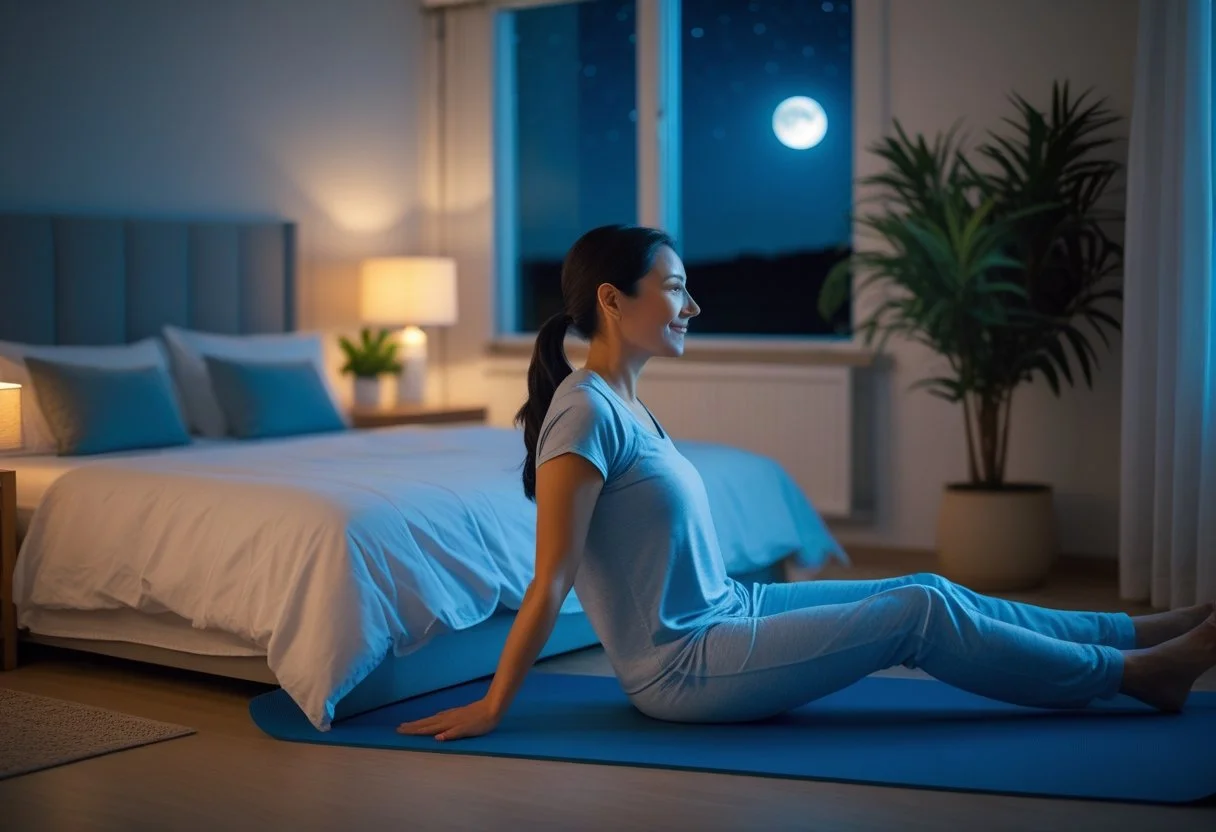
Benefits Of Stretching Before Bed For Better Sleep
Most of us end our day feeling tense or restless, which makes falling asleep a real challenge. Stretching before bed gives your body a chance to calm down and get ready for rest.
Regular nighttime stretching can ease muscle tightness, reduce stress, and support better sleep quality.
This gentle habit helps you unwind after hours of sitting, standing, or just moving around. It encourages flexibility, boosts circulation, and tells your mind it’s time to slow down.
Even a short routine makes it easier to drift off and wake up feeling a bit more refreshed.
The next sections break down the main benefits of stretching before bed. You’ll also find simple stretches to try and tips for building a routine that actually fits your life.
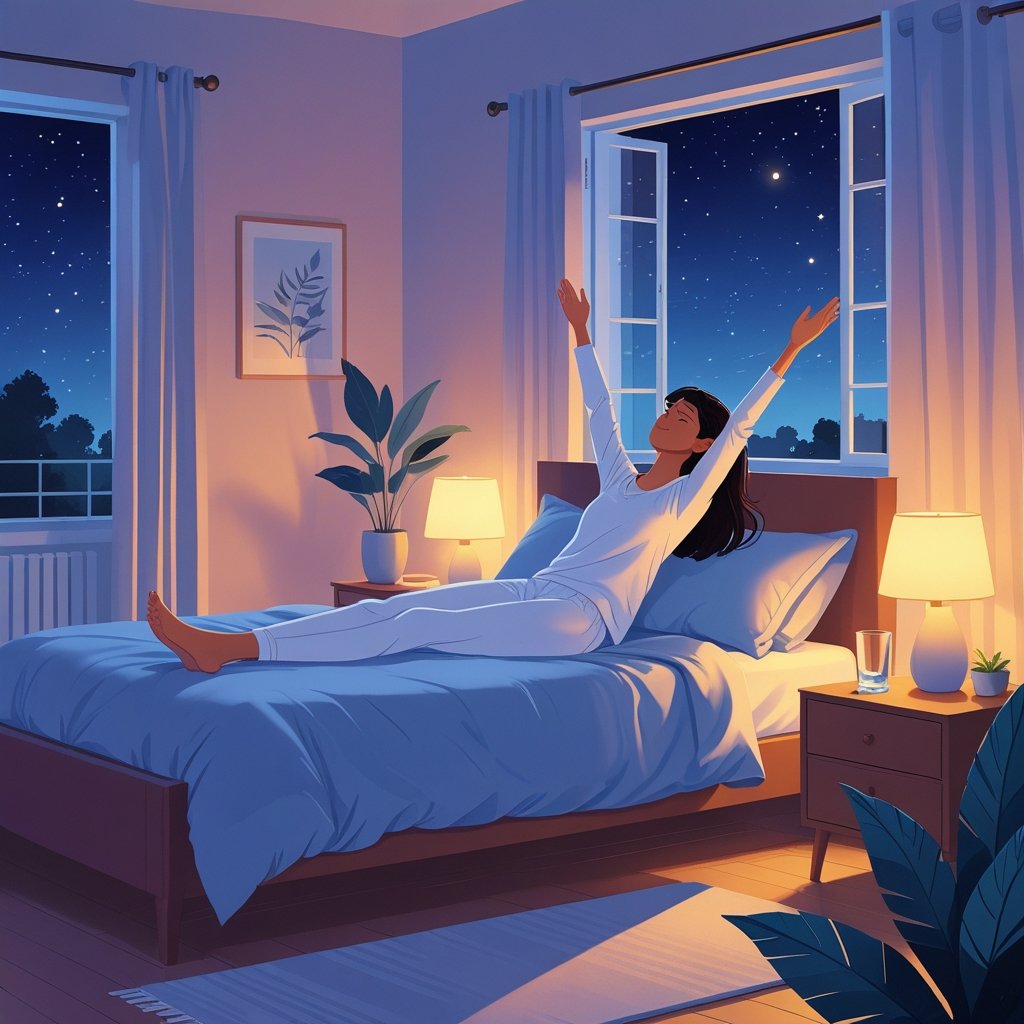
Key Benefits of Stretching Before Bed
Gentle stretching at night supports physical comfort and mental calm. It helps you release tightness, lower stress, and prep your mind for sleep with simple, low-impact moves.
Improved Sleep Quality
Stretching before bed can make it easier to fall asleep and stay asleep. Light movement relaxes you by lowering your heart rate and easing muscle stiffness.
This helps your body shift out of “go mode” and into rest. A short stretching routine can even cut down on those annoying nighttime awakenings.
When your muscles feel loose and your joints aren’t stiff, you’re less likely to wake up from discomfort.
Examples of helpful stretches include:
- Hamstring stretch to ease lower-body tension
- Neck rolls to relax the upper body
- Child’s pose for full-body relaxation
Relieves Muscle Tension
Sitting, standing, or working out can really tighten up your muscles. Stretching before bed helps you let go of that tension and supports recovery.
It lengthens tight muscle fibers and improves flexibility, so you’re less sore in the morning. Targeting the big muscle groups—back, shoulders, legs—can prevent aches that keep you up at night.
Gentle stretching also helps your posture by easing strain in the neck and lower back.
Key areas to focus on:
| Muscle Group | Example Stretch | Benefit |
|---|---|---|
| Neck & Shoulders | Shoulder rolls | Reduces stiffness |
| Lower Back | Knee-to-chest stretch | Relieves pressure |
| Legs | Calf stretch | Improves flexibility |
Reduces Stress and Promotes Relaxation
Stretching kicks off the body’s relaxation response. Slow, controlled moves with deep breathing can lower cortisol and calm your nerves.
When your muscles relax, your brain gets the message that it’s safe to unwind. This body-mind connection is honestly underrated for winding down after a long day.
Adding deep breathing or a bit of mindful focus during stretches can really help. Even five minutes of gentle movement can melt away stress and help you transition into rest mode.
Enhances Circulation
Stretching before bed gets your blood moving. Better circulation means more oxygen and nutrients reach your muscles, which helps with recovery and cuts down on stiffness.
It also helps your body flush out waste products like lactic acid. Improved blood flow makes your limbs feel warmer and more comfortable—who doesn’t want that before bed?
Gentle stretches for your legs and hips are extra helpful if you sit a lot during the day.
Essential Stretches to Include in Your Nighttime Routine
Gentle moves that target your back, neck, and legs help you let go of tension and tell your body it’s time to relax. These stretches focus on flexibility, calm breathing, and loosening up those tight spots that build up during the day.
Child’s Pose
Child’s Pose gently stretches your hips, thighs, and lower back. It lets your spine lengthen and gives your body a supported spot to rest.
To do it:
- Kneel on the floor with your toes together and knees apart.
- Sit back on your heels and lower your torso between your thighs.
- Reach your arms forward with palms down.
Hold for 30–60 seconds and breathe slowly. This pose helps loosen up your back and hips, making it easier to get comfy in bed. It can also slow your heart rate, prepping you for sleep.
Seated Forward Bend
The Seated Forward Bend targets your hamstrings, lower back, and calves. It’s great for releasing tightness from sitting or standing all day.
Steps:
- Sit with your legs straight in front of you.
- Inhale and lengthen your spine upward.
- Exhale and hinge forward from your hips, reaching toward your feet.
Try not to round your back—keep your chest open. Hold for 20–30 seconds, or longer if it feels good. This stretch boosts flexibility in your legs and spine and encourages deep breathing, which calms your nerves before bed.
Neck Stretch
A simple neck stretch can ease tension from poor posture or too much screen time. It targets the sides of your neck and shoulders, helping you feel less stiff at night.
To do it:
- Sit or stand tall with relaxed shoulders.
- Gently tilt your head toward one shoulder until you feel a stretch on the opposite side.
- Hold for 15–20 seconds, then switch sides.
If you want a deeper stretch, lightly press one hand on your head. Don’t force it, though. This move can even help with minor headaches caused by muscle tension.
Cat-Cow Stretch
The Cat-Cow Stretch moves your spine through gentle flexion and extension. It’s a favorite for easing back tightness and improving mobility.
Steps:
- Start on your hands and knees, wrists under shoulders, knees under hips.
- Inhale, arch your back, and lift your head and tailbone (Cow).
- Exhale, round your spine, and tuck your chin (Cat).
Repeat 5–10 times slowly. This stretch supports spinal flexibility and gets your blood flowing. Doing it before bed helps release lower back tension for a more relaxed night.
How to Build an Effective Stretching Routine
A consistent bedtime stretching routine helps you sleep better by easing muscle tension, calming your mind, and improving flexibility. Paying attention to timing, breathing, and your own body’s signals makes stretching before bed safer and more effective.
Timing and Consistency
Stretching about 30 to 60 minutes before bed helps your body shift gears from busy to restful. This window gives your muscles time to loosen up but still lets your body cool down before sleep.
Most people get what they need from 5–10 minutes of gentle stretching. You can include moves like child’s pose, a neck release, or a seated forward bend.
A simple routine might look like this:
| Time | Activity | Duration |
|---|---|---|
| 9:00 p.m. | Light stretching | 5–10 minutes |
| 9:10 p.m. | Relaxation or reading | 15–30 minutes |
| 9:40 p.m. | Bedtime | — |
Doing the same routine each night helps your body recognize these cues for rest. Consistency is more important than intensity. Even light stretching, if you stick with it, can reduce stiffness and help you relax before sleep.
Breathing Techniques
Breathing matters more than you might think. Slow, steady breaths lower your heart rate and help you relax.
One common method is deep diaphragmatic breathing: inhale through your nose for four seconds, pause, then exhale through your mouth for six seconds. This tells your nervous system to slow down.
Pairing breath with movement keeps you focused and stops you from rushing. Try inhaling as you lengthen your spine and exhaling as you sink deeper into a stretch.
People who combine controlled breathing with gentle stretching often notice less tension in their shoulders, neck, and back. It also helps quiet racing thoughts, making it easier to nod off.
Listening to Your Body
Awareness is key for a good stretching routine. Everyone’s flexibility and comfort levels are different, so don’t push into pain.
Stretching before bed should feel gentle and restorative, not like a workout. A mild pull or light tension is fine, but sharp discomfort means you should back off or change positions.
Using a 1–10 discomfort scale, aim for a three to five. That way, you improve flexibility without overdoing it.
If a spot feels extra tight, hold the stretch for 20–60 seconds and breathe evenly. Over time, your body will respond better and relaxation will come more naturally.
Additional Tips and Considerations
Stretching before bed works best when you do it safely and with good technique. Picking the right stretches, not overdoing it, and making adjustments for comfort can help you avoid injuries and get the most out of your routine.
Safety Precautions
Go slow and gentle, especially at night when your muscles are cooler. Even walking in place for a minute can help warm you up before stretching.
Avoid bouncing or forcing any stretch, since that can strain your muscles or joints. Steady breathing during each stretch helps you relax.
Holding each stretch for 15–30 seconds is usually enough. If something hurts sharply, stop right away.
If you have joint or back issues, check with a healthcare provider before starting. Using a yoga mat or soft surface can protect your knees and elbows.
Stretches to Avoid Before Bed
Some stretches can actually wake you up by raising your heart rate or working big muscle groups. Fast or intense moves—think dynamic lunges or high kicks—aren’t great late at night.
Deep backbends or long static holds that strain your spine can also cause discomfort. Stick to gentler options like the standing calf stretch or side stretch to relax your muscles without getting overstimulated.
Here’s a quick cheat sheet:
| Type | Example | Bedtime Suitability |
|---|---|---|
| Gentle static | Standing calf stretch | ✅ Good |
| Gentle side | Side stretch | ✅ Good |
| Dynamic | Jumping or bouncing stretches | ❌ Avoid |
| Deep backbend | Wheel pose | ❌ Avoid |
Keeping things slow and light helps your body shift into rest mode. Sometimes, less really is more—especially at bedtime.
Adaptations for Different Needs
You can tweak bedtime stretching routines to fit your age, flexibility, or mobility. Older adults or beginners might like seated or bed-based stretches—they’re easier on the balance.
If moving around is tough, grab a strap or towel to help with leg or hamstring stretches. People who stand all day should probably focus on lower body stretches.
Desk workers? Gentle neck and shoulder stretches can feel like a lifesaver. Pregnant individuals should skip lying flat for too long and try side-lying or use extra support.
Honestly, just adjusting the intensity and position makes stretching safer and more comfortable for pretty much anyone.